Codes you can try
From a 2,000-year-old cipher to the codes on your phone. Try each idea yourself, right in your browser.
From a 2,000-year-old cipher to the codes on your phone. Try each idea yourself, right in your browser.
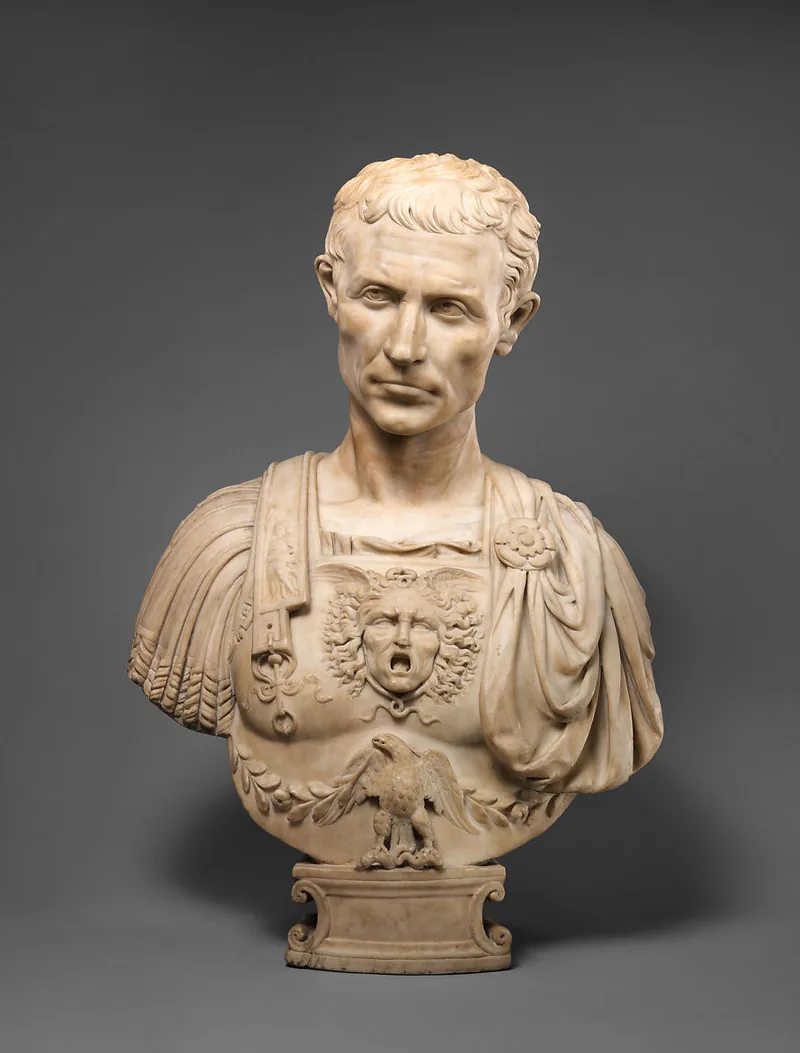
About 2,000 years old
Move every letter along the alphabet by the same number of places and a message turns into a puzzle. Choose a shift, then encode a message or try every shift to read one.
Photo: Andrea Ferrucci, bust, ca. 1512–14. The Met, public domain.
From the 9th century
Paste a Caesar-coded message and see how often each letter appears next to typical English. The counts point to the shift that decodes it.
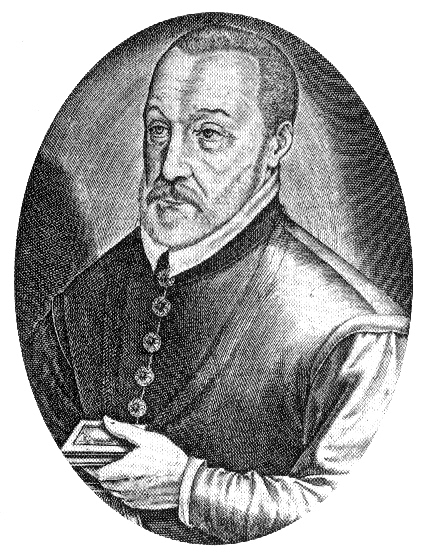
Described in 1553
Caesar’s cipher with a keyword: each letter of the keyword sets the shift for one letter of your message. Watch the shifts change, then see why a repeating keyword gives itself away.
Portrait: Thomas de Leu, 16th century. Public domain, via Wikimedia Commons.

From 2005 and 2011
Watch a two-factor code worked out from your clock and a public demo key, one step at a time, then, if you already use a two-factor app, check it against the code in that app.
Watch a 6-digit code being made
Read more: What is TOTP?
Watch: Charles Clay, British, ca. 1720. The Met, public domain.
NIST standard, revised 2015
See the SHA-256 fingerprint of any text as you type, then compare two texts and count how many characters change when one letter does.
Published in 1976
See how two people agree on a secret while everyone watches, with colours and then with small numbers.
Used from the 1920s
Type on a working Enigma I and see how it scrambled every letter differently, and why a letter never became itself.
In use since the 1840s
Write a message in Morse code, with sound and a light, and in binary. Both are codes: they hide nothing.
NIST guidance, updated 2025
Move sliders to see how length and the kinds of characters change the number of possible passwords, and how long it would take to try them all. You never type a password.
Described in 1882, proved in 1949
Add a random letter to every letter of a message. See why the same code could say anything, and what goes wrong when a pad is used twice.
NIST standard, August 2024
Try noisy equations, then share a secret with a toy version of the newer key exchange standard. See why rounding matters, and what the real thing adds.
Want something shorter to read? The Facts page has dated facts about phones, codes and passwords, each with its sources.
These pages explain how the ideas work. They don’t describe how MELKEM’s apps are built.